Exploring Best Practices in Commercial Sanitation Services for Workplace Health and Scheduling
Understanding Commercial Sanitation Services
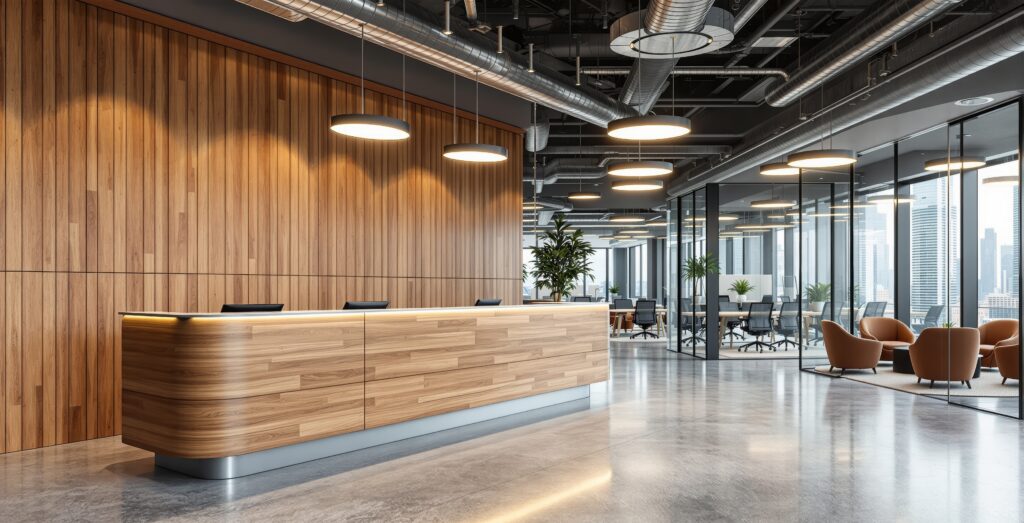
Ensuring the cleanliness and sanitation of commercial spaces is not only crucial for maintaining a professional image but also for safeguarding the health of employees and visitors. Commercial sanitation services provide comprehensive cleaning solutions tailored to the specific needs of facilities, from office buildings to retail spaces and beyond.
Key Components of Commercial Sanitation
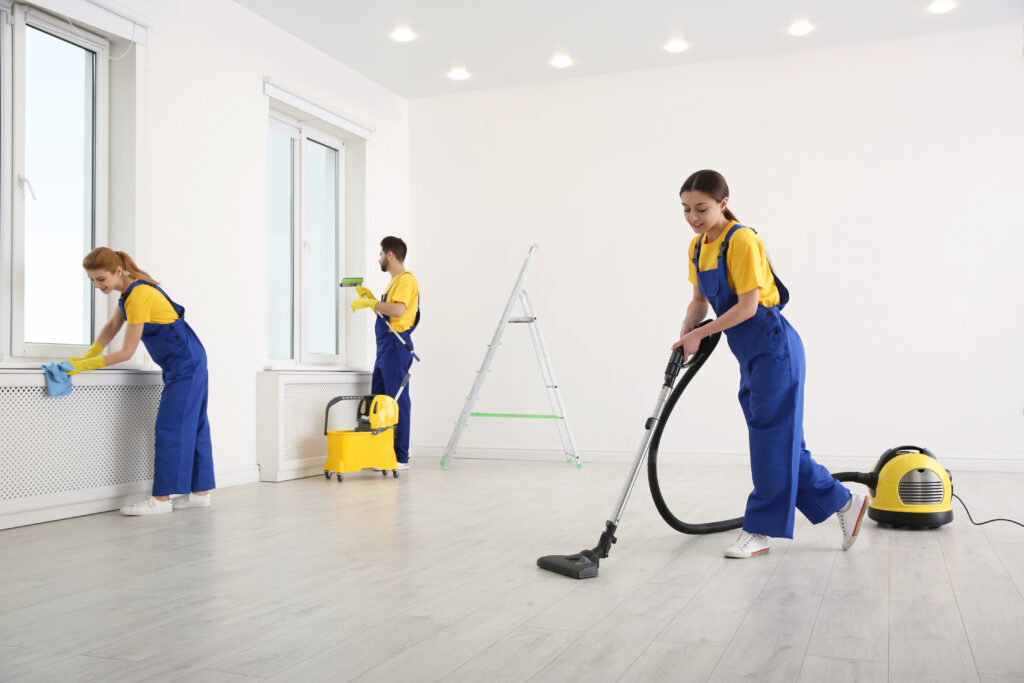
- Regular Cleaning: Daily operations that keep environments tidy and presentable.
- Deep Cleaning: More intensive cleaning procedures aimed at sanitizing spaces thoroughly, often scheduled on a less frequent basis.
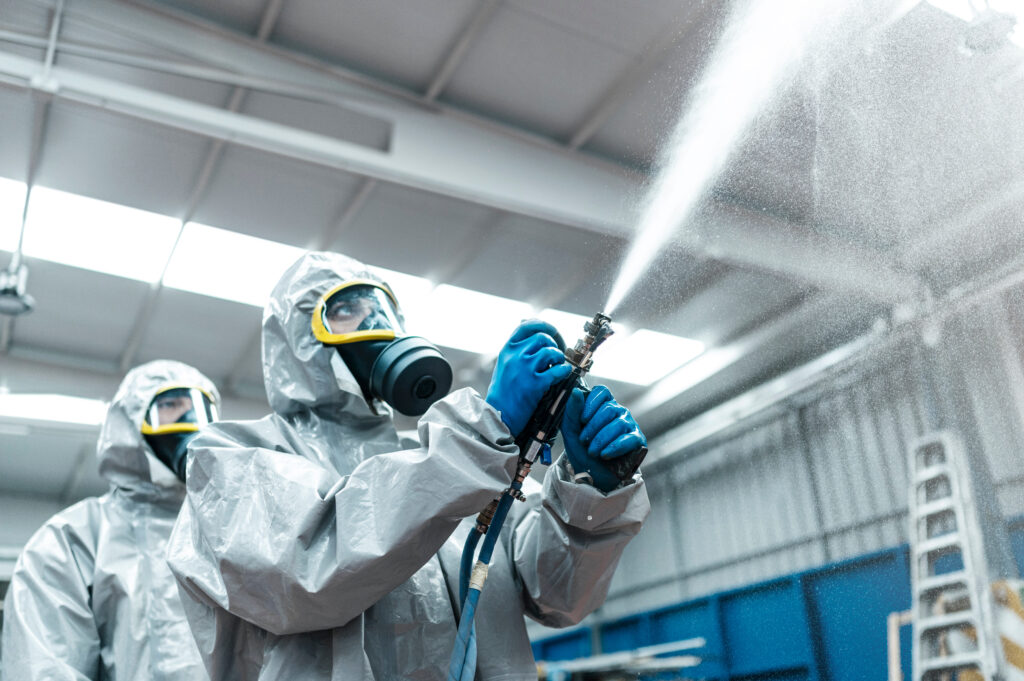
- Disinfection Services: Targeted applications of disinfectants to reduce the spread of pathogens, particularly critical in shared and high-touch areas.
- Waste Management: Efficient processes for removing and disposing of waste in a compliant and ethical manner.
- Specialized Cleaning: Services tailored to specific industry requirements, such as healthcare facilities or industrial environments.
Operational Guidelines for Effective Sanitation
Developing a structured cleaning regime involves detailed planning and execution. The following checklist provides an operational framework tailored for daily, weekly, and monthly tasks:
- Daily: Sweep and mop floors, sanitize restrooms, and manage waste disposal.
- Weekly: Thoroughly dust all surfaces, clean windows, and deep-clean carpets.
- Monthly: Review inventory of cleaning supplies, conduct extensive inspections, and schedule specific sanitation tasks.
Commercial Sanitation Insights: Workplace Health & Scheduling Strategies
Maximizing Efficiency through Strategic Scheduling
Efficient scheduling is paramount to operational success in commercial sanitation. Proper planning ensures that all areas are maintained without disrupting the business’s daily activities. Implementing a strategic scheduling system helps in maintaining a consistent level of cleanliness.
Adapting to Various Workplace Environments
Different workplace environments necessitate unique approaches to sanitation. A tailored plan that considers each facility’s specific characteristics and needs will yield the best results. For instance, a medical facility requires stricter sanitation protocols compared to a standard office environment.
Frequently Asked Questions
What does commercial sanitation involve?
It encompasses a wide range of services designed to maintain the cleanliness and hygiene of commercial properties. This includes regular and deep cleaning, disinfection, and waste management.
How often should commercial spaces be sanitized?
The frequency depends on various factors, including the type of space, its usage, and industry regulations. Generally, daily cleaning is recommended, with more intensive tasks performed weekly or monthly.
Can sanitation services be customized to specific needs?
Yes, services are highly customizable. Providers typically offer consultations to tailor their services to their clients’ specific requirements and schedules.
Conclusion
Commercial sanitation services are an essential component of operational management in any facility. By adhering to structured, reliable, and efficient cleaning practices, organizations can maintain high standards of cleanliness and hygiene. As industry experts, DAPA Services Inc. ensures that every aspect of your cleaning schedule is managed with precision and attention to detail, supporting your business’s health and safety goals.